








From a purchaser's perspective, scaffolding selection for high-rise construction is a decision that directly affects safety, project timelines, labor efficiency, and long-term operational costs. High-rise buildings demand scaffolding systems that can deliver consistent strength, stability, and reliability at height, while also remaining cost-effective and easy to manage across multiple floors and project phases.
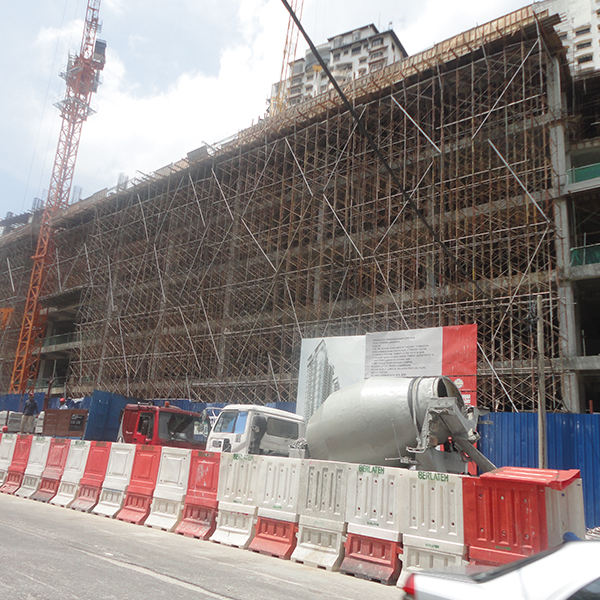
Among the various scaffolding options available, steel H frame scaffolding continues to be a preferred choice for many high-rise building projects. Its proven structural design, strong load-bearing capability, and practical modular features make it a reliable solution for contractors and developers working in demanding vertical construction environments.
For purchasers responsible for sourcing scaffolding equipment, understanding steel H frame scaffolding in terms of materials, manufacturing technology, and performance features is essential to ensuring both project success and long-term return on investment.
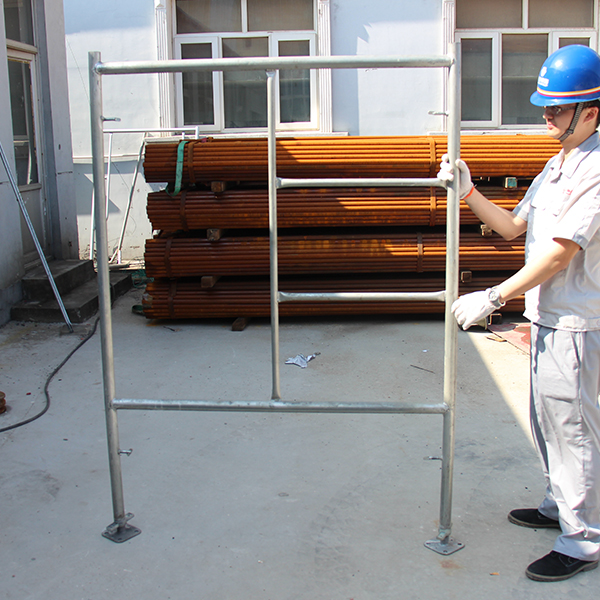
Materials: High-Strength Steel for Vertical Demands
High-rise construction places greater stress on scaffolding systems due to increased height, wind loads, repeated use, and heavier working platforms. As a result, material quality is one of the most critical factors influencing the performance of steel H frame scaffolding.
Structural Steel Tubing
Steel H frame scaffolding is typically manufactured from structural-grade carbon steel tubing, selected for its excellent balance of strength, toughness, and cost efficiency. High-quality suppliers use carefully controlled steel grades to ensure consistent wall thickness and mechanical properties.
From a purchaser’s standpoint, thicker wall tubes and higher-grade steel offer:
Improved load-bearing capacity
Greater resistance to bending and deformation
Longer service life under repeated loading cycles
Corrosion Protection and Surface Treatment
High-rise projects often involve long construction periods and exposure to weather, making corrosion resistance a key consideration. Common surface treatment options include painted, powder-coated, pre-galvanized, and hot-dip galvanized finishes.
For purchasers focused on long-term value, hot-dip galvanized steel H frame scaffolding is the preferred option. It provides superior corrosion resistance, reduces maintenance requirements, and significantly extends product lifespan—especially important for rental fleets and multi-project reuse.
Manufacturing Technology: Precision and Consistency
Modern high-rise construction demands scaffolding components with consistent dimensions and reliable joint strength. Leading manufacturers of steel H frame scaffolding utilize advanced production technology to meet these requirements.
Key technologies include:
Automatic and robotic welding systems for uniform, high-strength welds
Precision jigs and fixtures to maintain exact frame geometry
CNC cutting and forming for accurate tube preparation
Comprehensive quality inspections, including weld integrity checks and load performance testing
From a purchaser's perspective, these technologies result in scaffolding systems that are easier to assemble, safer to use, and less prone to defects. Consistency across batches is especially important for high-rise projects where large quantities of frames and accessories must be interchangeable across multiple floors and phases.
Key Features for High-Rise Applications
Steel H frame scaffolding offers several practical features that make it well-suited for high-rise building projects:
1. Strong Vertical Load Capacity
H frame scaffolding is designed to stack vertically, making it suitable for multi-level applications. The rigid steel frame structure provides reliable vertical load transfer, helping maintain stability across multiple stories. For purchasers, this means confidence in system performance at height.
2. Fast Assembly for Tight Schedules
High-rise projects operate under strict timelines, where delays can be extremely costly. One of the biggest advantages of H frame scaffolding is its simple and fast installation process. Frames and cross braces can be erected quickly with minimal tools, reducing labor time and accelerating project progress.
From a purchaser’s point of view, faster assembly directly translates into lower labor costs and improved overall project efficiency.
3. Modular Compatibility
Steel H frame scaffolding is compatible with a wide range of standard accessories, including:
Cross braces
Walk-through frames
Guardrails and toe boards
Steel or aluminum platforms
Adjustable base jacks
Tie components for building attachment
This modular compatibility allows purchasers to configure systems for different high-rise construction stages, from exterior façade work to interior finishing, without investing in multiple scaffolding systems.
4. Stability and Safety at Height
Safety is a top priority in high-rise construction. Steel H frame scaffolding, when properly manufactured and installed, provides a stable working platform supported by strong frames, reinforced welding, and secure bracing. For purchasers, higher safety performance reduces accident risk, supports regulatory compliance, and lowers potential liability costs.
Cost Efficiency and Long-Term Value
While modular systems such as Ringlock or Cuplock are often chosen for complex geometries, steel H frame scaffolding remains highly competitive in terms of cost efficiency, particularly for repetitive, straight-line façade applications common in high-rise buildings.
From a purchaser’s perspective, key financial advantages include:
Lower initial purchase cost compared to advanced modular systems
High durability for repeated use across multiple projects
Reduced maintenance costs with galvanized finishes
Strong resale and rental value due to widespread market acceptance
These factors make steel H frame scaffolding an attractive investment for both construction companies and rental providers serving the high-rise market.
Why Purchasers Choose ADTO Scaffold
Choosing the right supplier is just as important as choosing the right scaffolding system. ADTO Scaffold is a globally recognized manufacturer with over 25 years of experience in scaffolding and formwork solutions.
From a purchaser's perspective, ADTO Scaffold offers clear advantages:
Use of high-grade steel materials for superior strength and durability
Advanced welding and manufacturing technology for consistent product quality
Multiple surface treatment options, including hot-dip galvanization
Compliance with major international standards and certifications
Competitive factory-direct pricing
Customization for regional codes and project requirements
Reliable global logistics and professional after-sales support
By partnering with ADTO Scaffold, purchasers gain access to dependable steel H frame scaffolding systems backed by strong technical expertise and long-term supply reliability.
Conclusion
Steel H frame scaffolding continues to play an important role in high-rise building construction due to its strength, simplicity, and cost-effective performance. From a purchaser's perspective, its value lies in durable materials, advanced manufacturing technology, and practical features that support safe, efficient operations at height.
For purchasers seeking reliable quality, consistent supply, and strong long-term value, ADTO Scaffold stands out as a trusted supplier of steel H frame scaffolding—helping high-rise projects achieve higher safety standards, improved productivity, and better overall cost control.

