








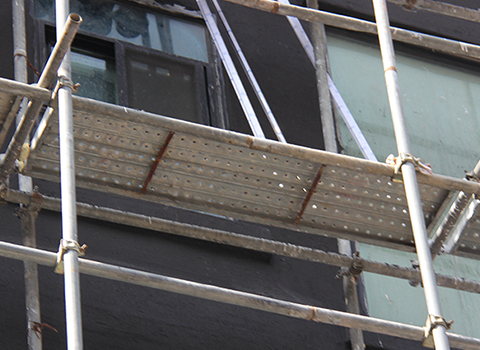
In construction, scaffolding components are regularly exposed to moisture, dust, chemicals, changing temperatures, and other demanding site conditions. For this reason, corrosion protection is an important consideration when selecting platform materials.
Time:2026-09-04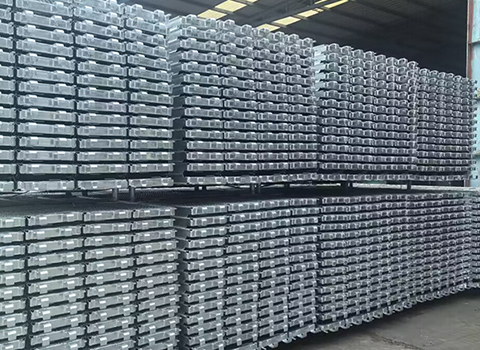
Selecting the right steel plank for scaffolding is a crucial purchasing decision. The plank is the literal foundation of worker safety and material handling at height, and among its specifications, the thickness of the steel is arguably the most critical factor.
Time:2026-08-28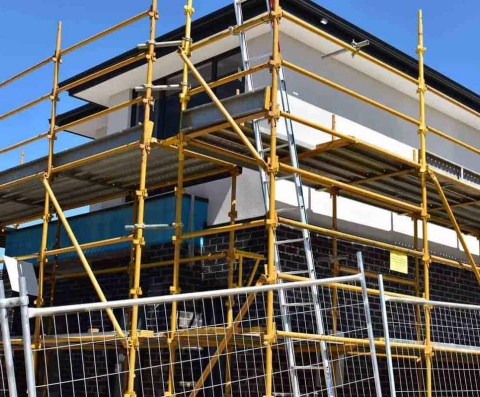
On any construction site, versatility is a prized commodity. The ability to use one system for both vertical access—allowing workers to reach heights safely—and horizontal support—providing stable working platforms across large areas—can dramatically improve efficiency, reduce costs, and simplify logistics.
Time:2026-08-21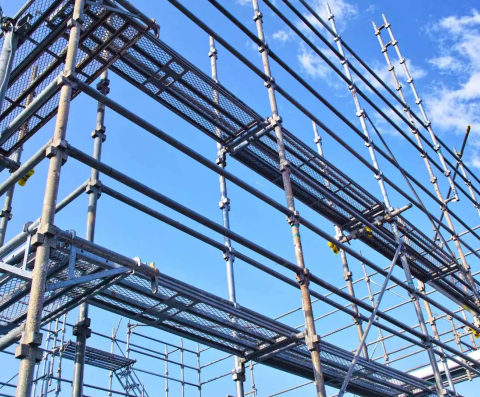
In the world of large-scale infrastructure and commercial construction, time is money, and safety is non-negotiable. Whether building a shopping mall, a bridge, a stadium, or a high-rise residential complex, project managers face the same challenge: providing safe, reliable access and support across vast areas while maintaining aggressive schedules.
Time:2026-08-13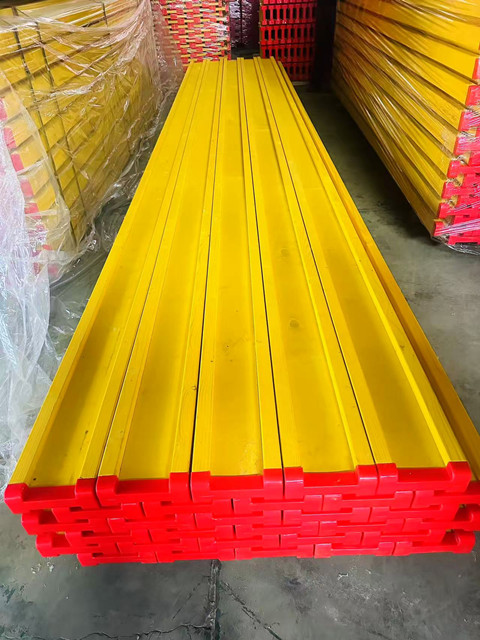
In modern concrete construction, choosing the right formwork system is essential for achieving accurate structures, improving efficiency, and reducing project costs. Among the various solutions available, H20 Timber Beams have become a popular choice for wall, slab, and column formwork applications due to their excellent strength-to-weight ratio, flexibility, and easy handling.
Time:2026-08-07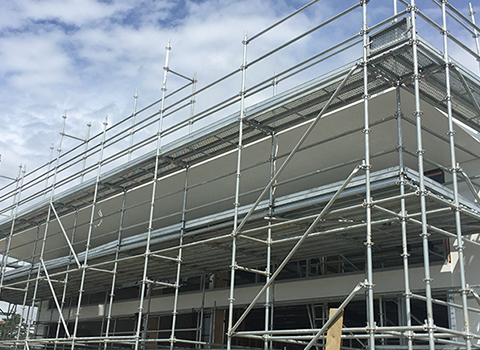
Scaffolding is one of the most essential yet potentially hazardous systems on any construction site. According to OSHA, scaffolding violations consistently rank among the most frequently cited standards in the construction industry.
Time:2026-07-24 1111
1111