








In modern concrete construction, choosing the right formwork system is essential for achieving accurate structures, improving efficiency, and reducing project costs. Among the various solutions available, H20 Timber Beams have become a popular choice for wall, slab, and column formwork applications due to their excellent strength-to-weight ratio, flexibility, and easy handling.
An effectively designed formwork system helps contractors create smooth concrete surfaces while ensuring safety during the pouring process. When combined with proper installation methods and professional planning, H20 Timber Beam Wall Formwork can provide reliable performance for residential buildings, commercial projects, and large-scale infrastructure construction.
Understanding H20 Timber Beam Wall Formwork
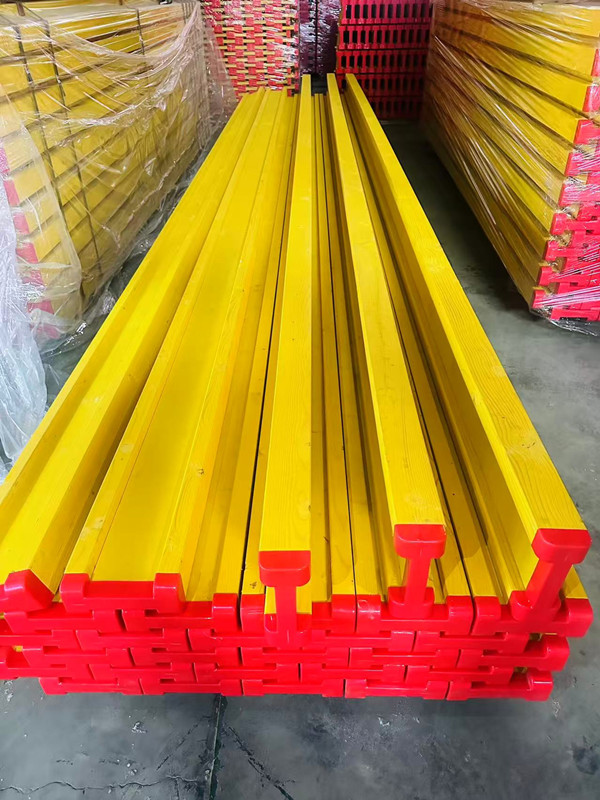
H20 timber beam formwork is a modular concrete forming system that uses high-quality timber beams as the main supporting elements. The system typically consists of:
H20 timber beams as primary load-bearing members
Plywood or other facing panels for concrete contact surfaces
Steel walers and clamps for reinforcement
Tie rods and accessories for stability
Supporting structures such as props or frames
The H20 beam design features a lightweight wooden web with reinforced flanges, providing high bending resistance while remaining easy for workers to transport and assemble.
This makes H20 timber beams suitable for vertical wall formwork as well as horizontal applications such as girder slab formwork.
Step 1: Plan the Formwork Design Before Installation
Effective use of H20 timber beam wall formwork begins with proper preparation. Before installation, contractors should review construction drawings, concrete pressure requirements, wall dimensions, and project specifications.
Important planning considerations include:
Determining the required wall thickness and height
Selecting suitable beam spacing according to load requirements
Checking the expected concrete pressure during pouring
Preparing all necessary accessories and connection components
A well-designed formwork layout improves safety and prevents unnecessary adjustments during construction.
Step 2: Select High-Quality H20 Timber Beams
The performance of the entire formwork system depends heavily on the quality of the main beams. High-quality H20 timber beams should have:
Strong load-bearing capacity
Accurate dimensions
Moisture-resistant treatment
Reliable bonding between web and flange components
Consistent quality for repeated use
Poor-quality beams may result in deformation, reduced service life, and increased maintenance costs.
For contractors looking for dependable formwork materials, ADTO provides professionally manufactured H20 timber beam solutions designed for durability, precision, and repeated construction cycles.
Step 3: Assemble the Wall Formwork System Correctly
During installation, H20 timber beams are positioned vertically or horizontally depending on the wall design. The plywood facing is attached to the beams to create the concrete contact surface.
The typical installation process includes:
Positioning the H20 timber beams according to the design layout
Fixing plywood panels securely onto the beams
Installing steel walers and clamps to strengthen the structure
Adding tie rods and supports to control concrete pressure
Checking alignment, level, and stability before concrete pouring
Correct assembly ensures that the formwork maintains its shape during concrete placement.
Using H20 Timber Beams in Girder Slab Formwork
Besides wall applications, H20 timber beams are widely used in girder slab formwork systems. Slab construction requires strong horizontal support because the formwork must carry the weight of fresh concrete, reinforcement steel, and construction workers.
In girder slab formwork, H20 beams are commonly used as primary and secondary support members. Their lightweight design makes installation faster while still providing sufficient strength for large slab areas.
Advantages of using H20 beams for slab applications include:
Easy manual handling without heavy lifting equipment
Flexible spacing adjustment based on load requirements
High reusability for multiple projects
Reduced labor time during assembly and dismantling
This versatility makes H20 timber beam systems suitable for both small and large construction projects.
Step 4: Control Concrete Pouring Procedures
Even a well-designed formwork system requires proper concrete pouring techniques. Excessive pouring speed or uneven concrete distribution can create high pressure on the formwork.
To use H20 timber beam wall formwork effectively:
Pour concrete at a controlled speed
Avoid sudden impact loads
Monitor formwork movement during pouring
Check supports and connections regularly
Proper pouring procedures help prevent deformation and ensure the final concrete structure meets design requirements.
Step 5: Maintain and Reuse the Formwork System
One of the major advantages of H20 timber beam systems is their reusability. With proper maintenance, H20 timber beams can be used for many construction cycles.
Recommended maintenance practices include:
Cleaning concrete residue after each use
Storing beams in a dry and protected area
Inspecting beams for cracks, damage, or deformation
Replacing damaged components before reuse
Good maintenance not only extends product life but also improves construction efficiency and reduces material costs.
Why Choose ADTO H20 Timber Beam Formwork
For contractors seeking reliable formwork solutions, ADTO is a trusted brand with extensive experience in construction equipment and formwork manufacturing.
ADTO offers high-quality H20 timber beams designed to meet the requirements of modern concrete construction. With strict quality control, professional production technology, and comprehensive formwork solutions, ADTO helps customers achieve safer and more efficient building processes.
Whether for wall formwork, girder slab formwork, or customized concrete structures, ADTO provides durable products and technical support to meet different project needs.
Conclusion
Using H20 Timber Beam Wall Formwork effectively requires careful planning, quality materials, correct installation, and proper maintenance. With their combination of strength, flexibility, and lightweight handling, H20 timber beams have become an essential component in many modern construction projects.
From vertical concrete walls to large-scale girder slab formwork, these systems provide contractors with a practical solution for improving construction speed, accuracy, and safety. By selecting reliable products from suppliers like ADTO, builders can maximize the performance and long-term value of their formwork investment.

