








Steel system scaffold planks are essential components of modern scaffolding, providing stable working platforms for construction workers, tools, and materials. Designed to integrate with modular scaffolding systems, these planks are widely used in residential construction, commercial buildings, infrastructure projects, and industrial maintenance.
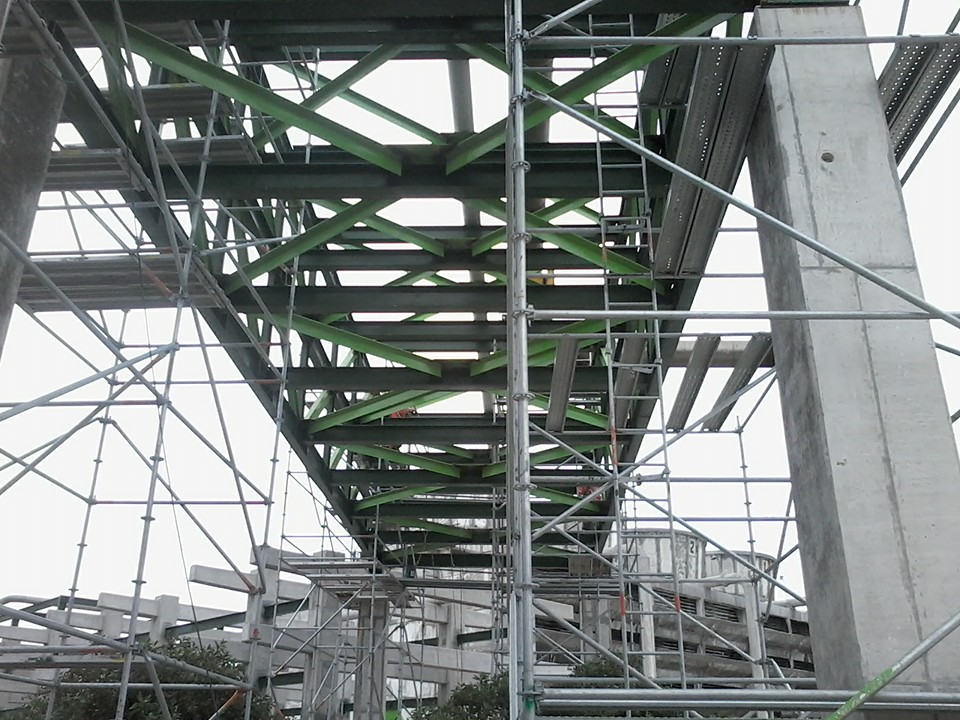
Low-mount steel system scaffold planks are particularly useful in scaffolding configurations where platform positioning and connection arrangements need to accommodate specific site requirements. Their robust steel construction, practical installation, and potential for repeated use make them an important consideration for contractors and scaffolding equipment suppliers.
When selecting scaffold planks, buyers should evaluate material quality, dimensions, connection compatibility, surface treatment, and applicable safety standards. This article explores the main features and advantages of steel system scaffold planks and explains why choosing a reliable manufacturer such as ADTO can benefit construction projects.
What Are Steel System Scaffold Planks?
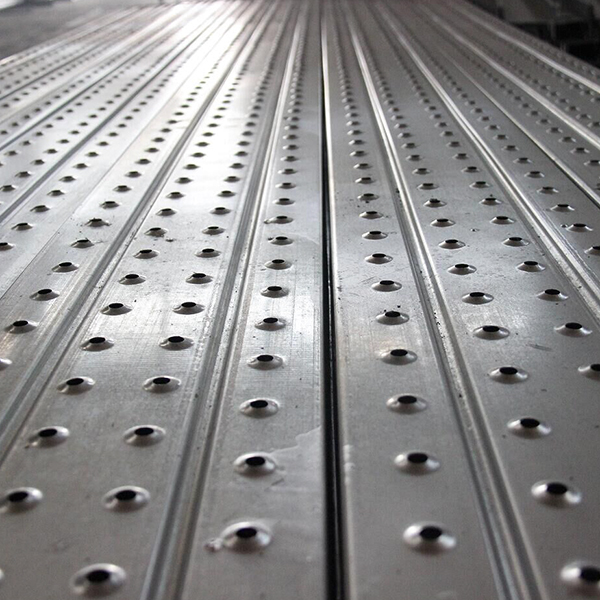
Steel system scaffold planks are prefabricated platform components designed for use with compatible modular scaffolding systems. They are commonly manufactured from steel and feature formed surfaces, reinforced sections, and end connections that fit specific scaffolding configurations.
Unlike traditional timber boards, steel scaffold planks offer standardized dimensions and a more consistent manufactured structure. Their design can include perforated surfaces, reinforced edges, and hook-style connections, depending on the system and product specification.
The term “low mount” may refer to a particular platform positioning or connection arrangement. Buyers should confirm the exact product design, mounting height, and compatibility requirements with the manufacturer before ordering.
1. Strong Steel Construction
One of the primary advantages of steel system scaffold planks is their robust construction. Steel provides a combination of strength, stiffness, and durability that makes it suitable for demanding construction environments.
During manufacturing, steel sheets or sections are processed through cutting, forming, punching, and other fabrication operations to create the required plank profile. Reinforcement and edge design help provide structural rigidity.
The actual load capacity of a scaffold plank depends on its dimensions, material properties, support spacing, connection arrangement, and design. Therefore, buyers should always refer to the manufacturer's technical specifications rather than estimating capacity based on material alone.
2. Practical Low-Mount Platform Configuration
Low-mount scaffold plank arrangements can help accommodate specific platform positioning requirements within a compatible scaffolding system.
Depending on the system design, the mounting arrangement may influence platform elevation, clearance, access, and the relationship between the working platform and surrounding components.
For contractors, selecting the correct plank configuration can improve the practicality of scaffolding installation. However, the plank must be designed for the intended mounting position and used with compatible standards, ledgers, and other system components.
Before installation, users should verify the manufacturer's instructions and ensure that the complete scaffold arrangement meets applicable safety requirements.
3. Anti-Slip Surface Design
Construction sites often expose working platforms to dust, water, mud, and other contaminants. A suitable platform surface is therefore important for worker safety.
Steel scaffold planks may feature perforated or textured surfaces to help improve grip and provide drainage. These features can reduce water accumulation under appropriate conditions and support safer working practices.
However, no scaffold plank surface can eliminate slipping hazards entirely. Workers should keep platforms clean, follow site safety procedures, and use appropriate personal protective equipment.
4. Galvanized Surface Protection
Scaffolding equipment is frequently exposed to outdoor conditions, including rain, humidity, and changing temperatures. Corrosion protection can therefore play an important role in extending the service life of steel scaffold planks.
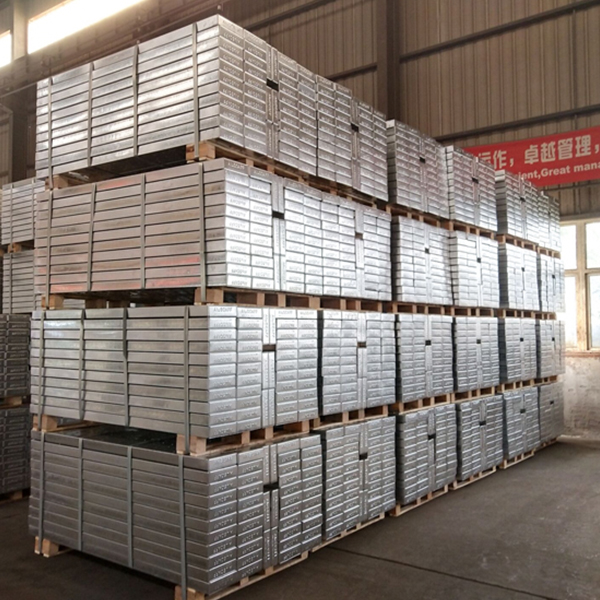
Hot-dip galvanizing is a commonly used surface treatment. The zinc coating forms a protective barrier against the environment and can provide sacrificial protection if the coating is locally damaged.
Galvanized steel system scaffold planks are particularly attractive for contractors and rental companies that need equipment suitable for repeated use in different construction environments.
Buyers should check the specified coating requirements and inspect products for visible damage, deformation, or corrosion before use.
5. Compatibility with Modular Scaffolding Systems
System scaffolding relies on standardized components that work together as a complete structure. Scaffold planks must therefore be compatible with the intended system.
Important considerations include plank length, width, end-hook design, support spacing, mounting arrangement, and connection security.
A properly matched plank can help simplify installation and reduce the risk of unsuitable combinations. Mixing components from different systems without confirming compatibility can create safety and assembly problems.
Contractors should always follow manufacturer recommendations and avoid unauthorized modifications.
6. Efficiency, Reusability, and Cost Advantages
Steel scaffold planks can offer long-term value when properly selected, maintained, and stored. Their standardized construction may help contractors organize inventory and reuse equipment across multiple projects.
For scaffolding rental companies, durability and ease of inspection are important purchasing considerations. Reusable steel planks can help reduce the need for frequent replacement compared with materials that deteriorate more quickly under demanding conditions.
The overall cost should include purchase price, transportation, maintenance, inspection, storage, and expected service life—not simply the initial quotation.
Why Choose ADTO Steel Scaffold Planks?
For construction contractors, distributors, and scaffolding rental companies, selecting a dependable supplier is essential for maintaining product consistency and procurement efficiency.
ADTO is a scaffolding and construction materials brand offering a range of products for building and industrial applications. Buyers sourcing steel system scaffold planks can evaluate ADTO based on product specifications, manufacturing capability, quality-control procedures, corrosion protection, and supply requirements.
ADTO's broader scaffolding product range may also help buyers coordinate scaffold planks with compatible tubes, modular scaffolding components, and accessories. Before ordering, purchasers should confirm the exact low-mount configuration, dimensions, connection design, loading documentation, and applicable standards.
Working with an experienced supplier can help simplify product selection and support more efficient construction procurement.
Conclusion
Steel system scaffold planks are important components of modular scaffolding, offering robust construction, practical platform design, corrosion protection, and potential for repeated use.
For low-mount applications, buyers should pay particular attention to the intended platform position, connection compatibility, dimensions, and manufacturer's installation instructions. Load capacity and structural suitability must always be verified against the product documentation and scaffold design.
By carefully evaluating these factors and considering a reliable supplier such as ADTO, contractors and purchasing professionals can select steel scaffold planks that meet their project requirements and support efficient construction operations.

